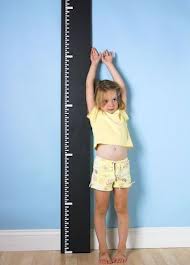
How do kids grow?

Student growth

All of the so-called education reformers want teachers evaluations based upon student growth. Many of them have lobbied statehouses to enact laws mandating a growth model in evaluations before really thinking about how we measure “educational” growth.  Politician see poor academic achievement on standardized tests and begin to blame the educational system. These test scores are an easy tool to look at and see that the American Educational system needs work when compared to other nations. But do the test measure student growth? And can this growth be attributed to individual teachers? Probably not!!

The fact is all student grow at different academic rates based on numerous factors:

  1. Genetics
  2. Parental Nurturing- Exposure to reading, writing and other educational opportunities at a young age.
  3. Environmental Nurturing – In a rich educational environment all day long: NO TV babysitters
  4. Educational Values at home
  5. Teaching

I am sure that their are more. We can’t just take a standardized test score and use it to show growth attributed to teaching.  So of the score might be due to teaching, the rest to this other factors.

The other major flaw in this measurement of growth plan is the assumption that all students grow in a linear manner at a same rate. Using this assumption then: all students show walk and talk at the same time. Students should all be potty trained at the same time. We could also assume all students would be same height and weight.   Every American know this all not to be true. So why are we assuming all students can the same material at the same rate? This is ludicrous!!!

Growth is really similar to this chart below:
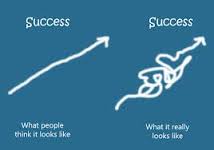
Patrh to succes

Students all start and hopefully end at the same place in their educational journey but all of their paths are unique and individual. Some students need more time than others. Some will go every which way but the direction desired until the right intervention is put in place. Our educational systems goal is to get to success no matter where the journey takes us. Our goal is NOT to have every student take the same journey to success.  If it was our world would be quite a boring place. Hopefully politicians will see the error in their ways. New measurements will be put into place. Then teachers won’t feel like they have targets on their backs. Let make sure we look at the journey instead of focusing on the end results. The educational journey is what makes us all unique.

 

The fight for #CCSS

CCSS

The Common Core State Standards (CCSS) are supposed to be a unifying element in education. Placing All (or at least most) of the states on the same page for student academic expectations. Finally states could compare achievement data. Standardized test results could finally be compared. In theory the Common Core is a good idea. The United States does need to set educational standards that challenge our students and tell employers and colleges what graduates know and are able to produce. The Common Core also help fully implement the No Child Left Behind Act  of 2001, up until now states have been issued waivers to comply with the law. CCSS and the assessments that go along with it are supposed to end the era of waivers and hold states accountable for their educational programs.

Corporations, states and school districts have been preparing for CCSS ever since their first draft was released 3 years ago. Corporations have spent 3 years on research and developing educational programs and materials to sell in support of the CCSS implementation. Other Corporations have been formed to create assessments that “fit” the CCSS curriculum. Many States have joined one of two consortium (Smarter Balanced and PARCC) to help guide in the development of these new assessments.  School districts have invested countless hours working to adjust their curriculum to meet the CCSS. Millions of dollars have been spent on this anticipated change over the past few years.

wordle CCSS

Now, a few states are starting to voice concern as the Pilot testing period ends and full implementation looms. Here in Michigan despite the best efforts of the Governor, Michele Rhee and Jeb Bush the legislature has decided not to fund any  CCSS implementation in the 2013-2014 state budget. What does this mean for teachers? IS this going to just be another unfunded mandate? or is CCSS dead? Time will only tell. 

I know what it shows. It shows America that Education is NOT a priority but a political hot potato that politicians like to throw around for votes. It shows teachers that politicians don’t give a damn about them. It the world that American is never going to “fix” its educations system that picks winners and losers by zip code.

Personally I am not the biggest fan of the CCSS. I have previously refered to CCSS as the “College” core due to the rigor and lack room for students who would prefer hands on learning and trade skills. The idea of having some “national standards” is appealing. Our staff is just getting used to positive changes that the CCSS has brought to our district. Our students are showing growth and achievement  I just find it very ironic that the same Republican Party that initiated the move towards the CCSS is now putting the standards on “pause”. As the fight for the common core rages from state to state, America will see that our educational values need to be changed so we can focus on real change. Change that makes sure every child can get a high quality education in our great country!!

Technology advice to pre-service teachers!

I am presenting tomorrow night to a group of pre-service teachers. I was wondering what advice my readers might have about technology. I remember when I was “trained” to be a teacher, I learned about Hyper-card studio. Where does that get me now? Absolutely nowhere. Most teachers learn about technology the old-fashion way: on their own. I hope to have some good ideas to share with the young budding teachers to help put them on the right track. Please fill-out the google form below to help out:


Sad but True

Image

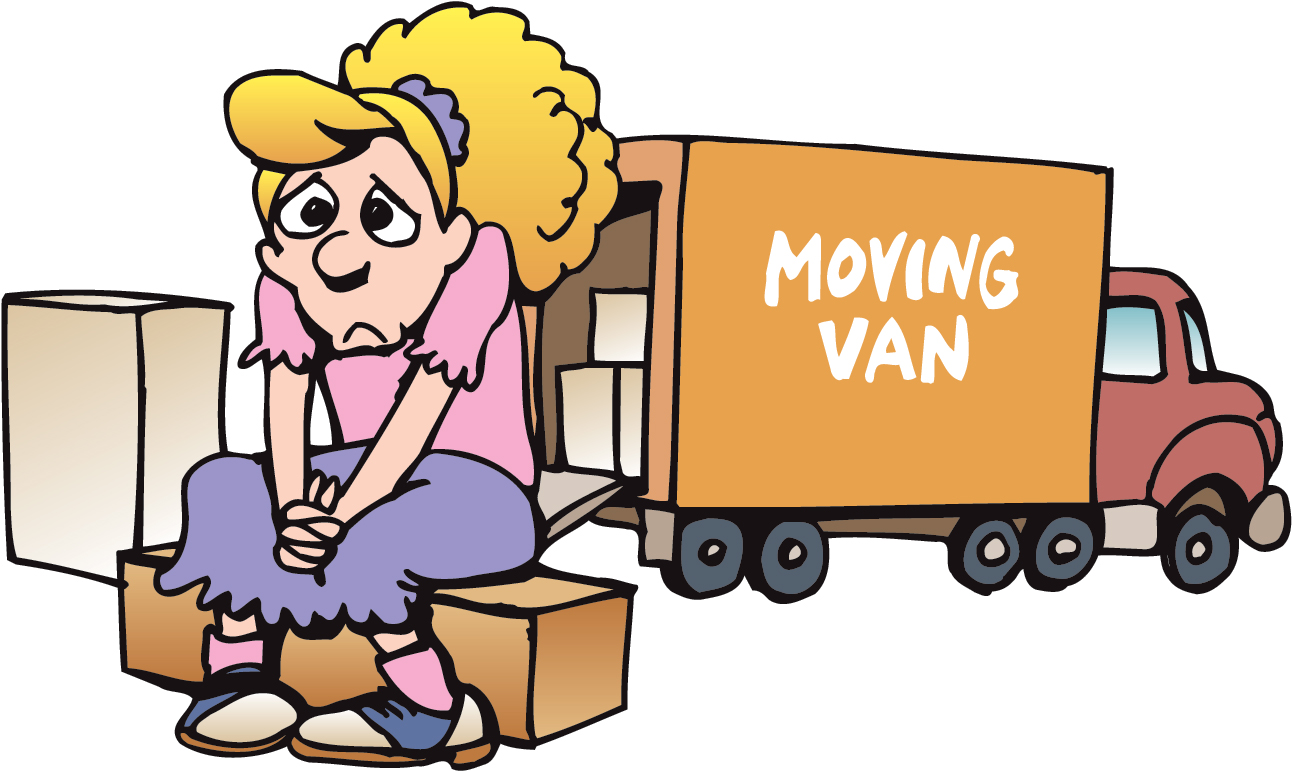
In class today a few of my students were looking at maps after they finished a project on the computers. I came over to make sure they were done with their assignments and ask “What are you doing?” One of the girls responded, “Looking at maps.” The other stated “Yeah, I have to show her all 16 of the places I have lived!” This was a 13 year old girl who has gone through the moving process 16 times, more than once a year. After my “Oh” expression she continued “I can’t help it we have been kicked out alot.” My heart continued to break for this girl.  Thirteen years old, frequent moves and evictions filling your life. No wonder she struggles in school.
wordle poverty

Our district was just looking at attendance data. 1,354 of our 3,785 student have been absent from school for more than 10 days. Either the flu was really bad this year or student are staying home in large numbers. Are students sick for all of these days? Over 1/3 of our population sick that much? Probably not. Many times when I talk to a student about their absence, they reply “couldn’t get a ride” or “I had to watch my younger sibling.” Large amounts of absences in general a result of poverty. How are we going to address this issue?

10 days of school is 6% of the school year. I know students that have missed twice or even 4 times as many school days. Missing this much instruction has to have an impact on student learning. How can schools help students catch up when they miss school? Poverty is a growing issue in American schools. Sure it is not as bad as some countries, but it is like never before here. We need a plan to assist these children that are born into their circumstance.

How should we evaluate teachers?

How are teacheres being measure

This is a hot topic in education currently. Students First, The Foundation for Excellence in Education, The Mackinaw Center, and other “education reform” organization feel many teachers are not “working hard enough” or “effective”, blaming tenure for teacher complacency in the classroom. The reform movement seems to focus on tearing down the established public school model and creating an elaborate for profit charter school network.

How do they know the public school teachers are in-effective? The media often reports that the United States is not ranking well on standardized tests compared to the world. This leads to the generalization that teachers are in-effective and lacking passion. It might be the case but how do we know it is the teachers? Schools are a reflection of our society. Could it be to blame?

What research do they have that shows ALL new charter schools will be more effective than their counterparts? None, most reports show that charter schools are similar to public schools in all regards. Some are great, that get plenty of press, others are average and many are failures.

Measure quality

The State of Michigan is making an ambitious attempt to create a fair teacher evaluation system. The Michigan Council for Educators Effectiveness has been set up to design a standard system for all teachers to be evaluated by in Michigan. The council is working hard to create a system that gives flexibility to school districts and focus on the true reason for teacher evaluations: Teacher Growth! I hope the MCEE reaches their goal of creating a quality model.

Many factors go into being an effective teacher. Teachers have to be flexible, skillful trained, and organized. Knowledge of content, student and learning styles. Patience is a must. Teachers must have the ability to tolerate change and be reflective on their practice. Most of all teacher have to always be learning and working to improve their practice. All of these skills help define an effective teacher. How are these skills seen by an observer? Can all of them be seen in 2 observations? What if the evaluator is not trained in the teachers subject area?

Many states are adding student growth data to evaluations. Standardized tests scores are being used to measure growth and connected to teachers evaluations. Many state tests are only in core subjects. Should these test scores be connected to band or art teachers evaluations? Does these create an atmosphere where teachers are “teaching to the test’? Does using these tools for evaluations devalue other important areas of education?

The charter school vendors have lobbied heavily to use teacher evaluations as the primary factor for teacher placement. In theory this sounds practical.  There are so many questions surround how teachers are measure, what makes them effective and how student growth is measured. Would this be a fair system? Would teacher evaluations still promote and be used for teacher growth?

I  feel that setting up this teacher evaluation system the way many have proposed will ruin our public schools. Unless we can tackle all of the hard questions that come with this issue. Teacher collaboration will dissolve as teachers will be worried about their jobs instead of focusing on student learning. Cheating scandals will erupt (Like Atlanta).  American schools will fall apart and not fulfill their mission to provide a free education to ALL students.

After listening to Deborah Ball, Chair of MCEE, last week, I am confident they are working at answering these questions. I like many educators am concerned about how our legislators will react to their recommendation. Why are we letting business experts dictate education policy? Please urge your legislators to listen to teachers about their profession. Teachers need to be allowed to have a voice in how they will be ultimately judged.